Air Crash Incidence Analyze
Safety in modern aviation has been shaped from the air crashes and inccidents. Each serious accidents leads to the need of improvements in aircraft systems, human decision making, and regulations. This article will analyze five major air crashes in different time period to examine their causes.
Tenerife Airport Disaster (1977)
The Tenerife Airport Disaster happended on March 27, 1977, when KLM Flight 4805 collided with Pan American Flight 1736 on the runway at Los Rodeos Airport. The accident happened when there was low visibility weather caused by fog. According to the official investigation, the primary cause was miscommunication between the flight crew and air traffic control, also with unclear radio communication and authorrity gradient difference between captain and co-pilot in the cockpit. The KLM captain confirmed to takeoof without an explicit permision, meanwhile the Pan Am aircraft was still taxing on the runway. Resulting a huge collide on the runway causing more than 500 death in total. The investigation concluded that the lack of proffesional and standard communication was the main reason of this incident. As a result of this accident, Crew Resource Management (CRM) training was introduced globally, trainng teamwork, communication in the cockpit. (Spanish Civil Aviation Authority; Mayday: Air Disaster).
Japan Airlines Flight 123 (1985)
Japan Airlines Flight 123 crashed on August 12, 1985, after suffering a structural failure shortly after departure from Tokyo. The official investigation determined that an incorrect repair of the rear pressure bulkhead following a previous tailstrike caused metal fatigue and eventual rupture. This failure had led to explosive decompression and the loss of all hydraulic flight control systems. Eventhough the crew had partial control by using the engine thrust, the aircraft was not not controllable and crashed into the mountain causing 520 people. The final report stated that the cause of this accident was by maintenance error and insufficient inspection procedures. This accident resulted in stricter maintenance regulations, improved inspection standards. (Japan Aircraft Accident Investigation Commission; Mayday: Air Disaster).
United Airlines Flight 232 (1989)
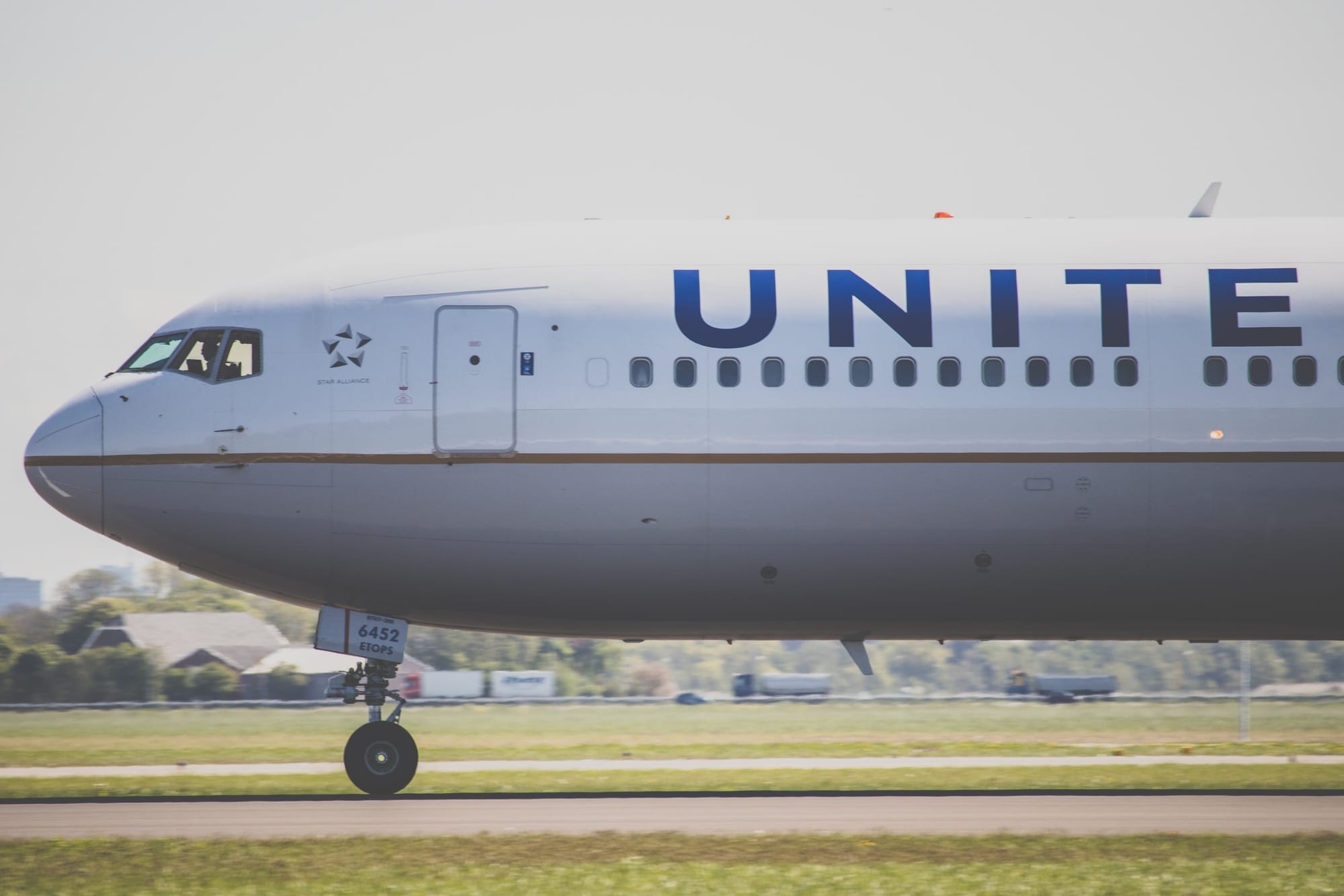
United Airlines Flight 232 experienced an engine failure on July 19, 1989, when a fan disk fractured due to undetected material fatigue. The failure damaged all three independent hydraulic systems on the DC-10, which means the plane became uncontrolable. The flight crew used differential engine thrust to attempt control and managed to reach Sioux City Airport, where the aircraft crash landed. The NTSB investigation found that the aircraft design allowed a single point failure, which is a hiden risk each time when flying. Eventhouh this accident caused some some fatalites but many passengers managed to escape and survived due to the effective crew and emergency procedure. This accident led to improvements in engine inspection techniques, better system redundancy (NTSB Final Report AAR-90-06).
Air France Flight 447 (2009)
Air France Flight 447 crashed into the Atlantic Ocean on June 1, 2009, after encountering high-altitude icing conditions that affected the aircraft’s pitot tubes. The temporary loss of valid airspeed data caused the autopilot to disconnect, requiring manual flight. The BEA final report concluded that pilot misinterpretation of flight data and inappropriate control inputs led the aircraft into stall. The crew did not correctly identify the stall despite repeated warnings. This accident shows the risks of relying over on automation and lack of manual flying proficiency at cruise altitude. As a result, pilot training programs were updated to place greater emphasis on manual flight skills, stall recognition, and high-altitude upset recovery (BEA Final Report, 2012).
Colgan Air Flight 3407 (2009)
Colgan Air Flight 3407 crashed on February 12, 2009, during approach to Buffalo-Niagara International Airport. The NTSB investigation determined that the aircraft was in stall due to inappropriate pilot response to stall warning indications. Pilot fatigue, lack of training, and poor monitoring of airspeed were also factors that cuased the incident. The captain applied incorrect control inputs, worsening the stall instead of recovering from it. This accident shows weaknesses in regional airline training standards and pilot qualification requirements. As result, new regulations were introduced in the US to increase minimum pilot flight experience, improve stall recovery training, and strengthen fatigue management rules (NTSB Final Report AAR-10-01).
Original Reports from NTSB, BEA, Japan Aircraft Accident Investigation Commission:
F-GZCP VA-AF447
JA8119.pdf-JAL123
312.pdf - Tenerife Incident
United 232 NTSB Report : Free Download, Borrow, and Streaming : Internet Archive - UA232
2009_DHC8-400_Clarence_Center_NY_Accident_Final_Report.pdf - Colgan3407
cineflex productions (Director). (2023). Air crashes (season 16, episode 3). https://www.youtube.com/watch?v=_RBLM6qO0g0 - Mayday Air Disaster Episode